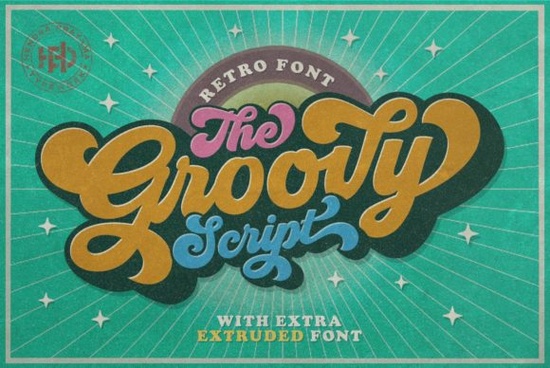
If you're working on a retro-inspired design whether it's for a t-shirt, poster, packaging, or social media graphic you know how much the right font can set the mood. Groovy Font taps into that unmistakable late '60s and '70s vibe with its flowing script and playful curves. It’s not just nostalgic it’s practical for anyone who wants to add authentic vintage charm without sacrificing readability.
Designed with hand-lettered warmth, Groovy Font works especially well for music-themed projects, boutique branding, or even craft labels that need a dash of personality. Unlike overly ornate scripts that can feel dated or hard to read, this font strikes a balance between flair and function. The letterforms echo the bold optimism of psychedelic posters and groovy record sleeves, but they’re clean enough for modern use.
What makes Groovy Font stand out from other retro scripts?
Many retro fonts lean heavily into exaggerated swashes or inconsistent spacing, which can make them tricky to use in real-world applications. Groovy avoids those pitfalls. Its consistent baseline and moderate stroke contrast mean it scales well from small product tags to large wall art. Plus, it includes alternate characters and ligatures that let you fine-tune your look without switching fonts.
If you enjoy Groovy’s aesthetic, you might also like exploring other expressive script fonts with personality. For example, Milkbutter offers a softer, more whimsical hand-lettered style, while Stay Wonderful leans into elegant bounce script territory. Each brings something different to the table, but all share that human touch missing from rigid digital typefaces.
Who should use Groovy Font?
This font shines for creators who want their work to feel personal and era-specific:
- Print-on-demand sellers designing retro band tees, coffee mugs, or wall quotes
- Small business owners crafting logos or packaging for vintage-inspired brands (think organic soaps, vinyl record shops, or plant boutiques)
- Crafters making greeting cards, stickers, or scrapbook elements with a '70s flair
- Graphic designers building mood boards or editorial layouts that call for period-accurate typography
It’s worth noting that Groovy pairs beautifully with clean sans-serifs like Helvetica or Futura just like original '70s ads did. That contrast keeps your design grounded while letting the script do the talking.
How does it compare to similar Creative Fabrica fonts?
While Wonderful Butterfly leans more romantic and delicate, and Family Font offers a casual, everyday handwriting feel, Groovy sits firmly in the funky, energetic camp. It’s less about sweetness and more about rhythm and movement perfect if your project needs to “pop” with attitude.
You can see how these styles differ by browsing them directly: check out Groovy Font alongside others to compare weights, alternates, and language support.
Tips for using Groovy Font effectively
To get the most out of this font, keep a few things in mind:
- Avoid overusing effects. Drop shadows or heavy outlines can muddy its natural flow. Let the letterforms speak for themselves.
- Use sparingly in body text. It’s a display font first ideal for headlines, logos, or short phrases.
- Enable OpenType features if your software supports them. This unlocks stylistic alternates that prevent repetitive letter shapes.
- Test print legibility. Some swashes may blur at small sizes, so always proof your final output.
And remember: authenticity matters. If you’re evoking the '60s or '70s, pair Groovy with period-appropriate colors (mustard yellow, avocado green, burnt orange) and textures (halftone dots, grain overlays) for full immersion.
Ready to bring some retro soul to your next project? Start by downloading Groovy Font and experiment with it in a mockup maybe a concert poster or a label for homemade hot sauce. Keep your message simple, your spacing generous, and let the font’s natural groove do the rest.
Explore Design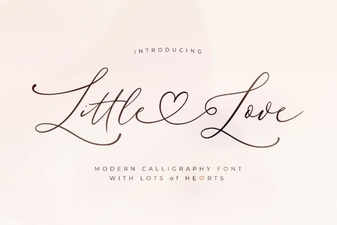 Little Love Font for Sweet & Creative Design Projects
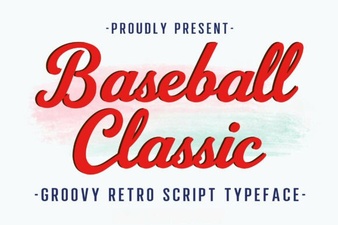 Design Your Baseball Project with Classic Fonts
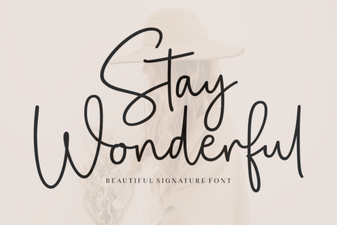 Introducing the Stay Wonderful Font Collection
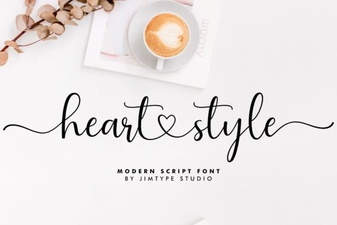 Creative Fonts for Heartfelt Design Projects
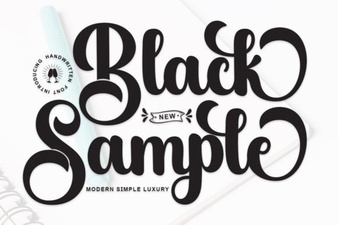 Black Sample Font: Design Projects & Creative Uses
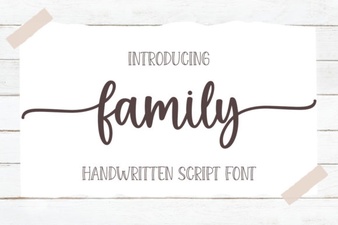 Craft Your Brand with Family Font Projects